This study showed that no-till soil is more stable than plowed soil. The study goes into detail that this is due to the top inch of soil being the first line of defense against soil erosion by water or wind.
When soil is tilled this top inch is broken apart, allowing water and wind to carry away valuable topsoil. In turn organic nutrients are lost, causing the farmer to have to pay more for fertilizers to grow the crops.
 |
| Photo Credit: plantcovercrops.com |
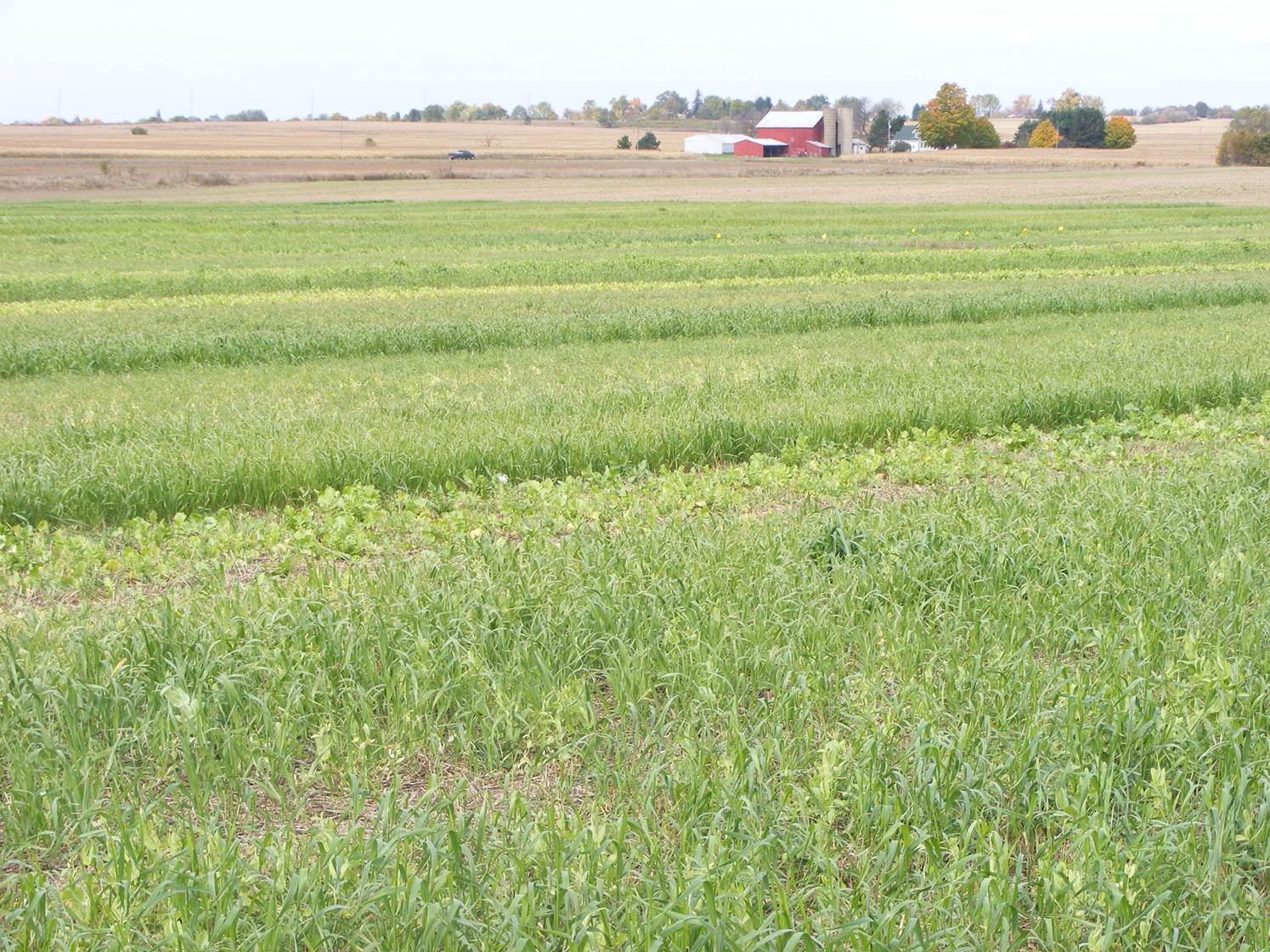
When no-till farming is utilized in coordination with the use of cover crops and green manures during the non-growing season soil is protected from erosion and nutrient-sapping weeds. The natural nutrients in the soil are conserved increasing the fertility of the soil.
Farmers across the nation are receiving awards for their efforts in conservation reguarding no-till farming.
A personal connection comes from the Harper Valley Farms, a family farm that I have visited on numerous occasions. In 2007 Albert Armand won the Conservation Farmer of the Year Award by the Indiana Farm bureau. Armand has since taught workshops on the benefits of No-Till farming. In March he will teach a workshop at the Purdue Small Farm Conference. Armand keeps his field fertile by using no-till farming with cover-crops and green manure which he obtains from the livestock on the farm. Armand says that by utilizing the no-till method of farming, labor costs of producing crops is reduced and helps increase the water holding capacity of the soil, allowing the crops to better survive Indiana's harsh summers.
What is your opinion on no-till farming? Leave a comment below saying if you like the no-till method of farming or not and why. Got a topic that you want covered? Leave a comment below and I will take your suggestions for future posts.

No comments:
Post a Comment