Thursday, February 21, 2013

Chickens living in the big city

Urban farming may be becoming more common as apartment dwellers in cities make use of rooftop gardens and windowsill planters. For some people, strawberries and tomatoes are not meeting their needs. Chickens are coming to the big city, and this is ruffling some people's feathers.
Urban chicken farming is the practice of raising chickens in a confined urban environment. The chickens are usually raised for the meat or eggs.
Urban chicken farming is spanning the country
Some major cities are allowing urban chicken farming. An USDA study with the Animal and Plant Health Inspection Service focused on urban chicken farming in four U.S. cities–Denver, Colo., Los Angeles, Cali., Miami, Fla. and New York, N.Y. New York, for example, allows hens in unlimited amounts as they are considered pets. The requirement is that they are kept clean. New York does not allow roosters though, as their crowing in the morning would disturb neighbors.

Meanwhile some cities are resisting allowing chickens. Muncie, Ind., for example currently does not allow chickens inside the city limits according to city ordinance section 90.19.


CDC Infographic
The Star Press produced a story about how some residents want Muncie to be more fowl friendly in 2010. In the piece they also covered why some people are weary to allow chickens in the urban environment.
One issue is the possibility of transmitting Salmonella.  According to the Centers for Disease Control and Prevention Salmonella causes an illness that is usually minor but in some cases requires hospitalization.
Salmonella can be contracted by contaminated food. Chickens are a carrier of the bacteria but contamination can easily be avoided by thoroughly washing your hands after contact with possible sources of contamination.
Other concerns of noise and smell are met with comparing chickens to normal household pets.
According to the Star Press article, the sound of a small group of hens is significantly less than that of a small dog. Likewise the smell of cat and dog waste is worse than the smell of chicken waste, however, it is still the responsibility of the owner to ensure that the odor does not get out of control.
If you are interested in finding out more about urban chickens, you can visit this link for a collection of websites and articles surrounding the issue.
What is your opinion on urban farming or urban chickens? Leave a comment below saying if you would want chickens living in the city or not and why. Got a topic that you want covered? Leave a comment below and I will take your suggestions for future posts.

Urban chickens infographic (friendseat.com)

friendseat.com
http://images1.friendseat.com/2012/08/Urban-ChickensGetting-To-Know-Your-Chicken1.jpg

Wednesday, February 13, 2013

How no-till farming saves money while helping the environment

As the spring planting season draws nearer farmers must make an important decision; to till or not to till. In 2010 Science Daily released findings of a milti-university study on the effects of more than 19 years of various tillage practices.
This study showed that no-till soil is more stable than plowed soil. The study goes into detail that this is due to the top inch of soil being the first line of defense against soil erosion by water or wind.
When soil is tilled this top inch is broken apart, allowing water and wind to carry away valuable topsoil. In turn organic nutrients are lost, causing the farmer to have to pay more for fertilizers to grow the crops.
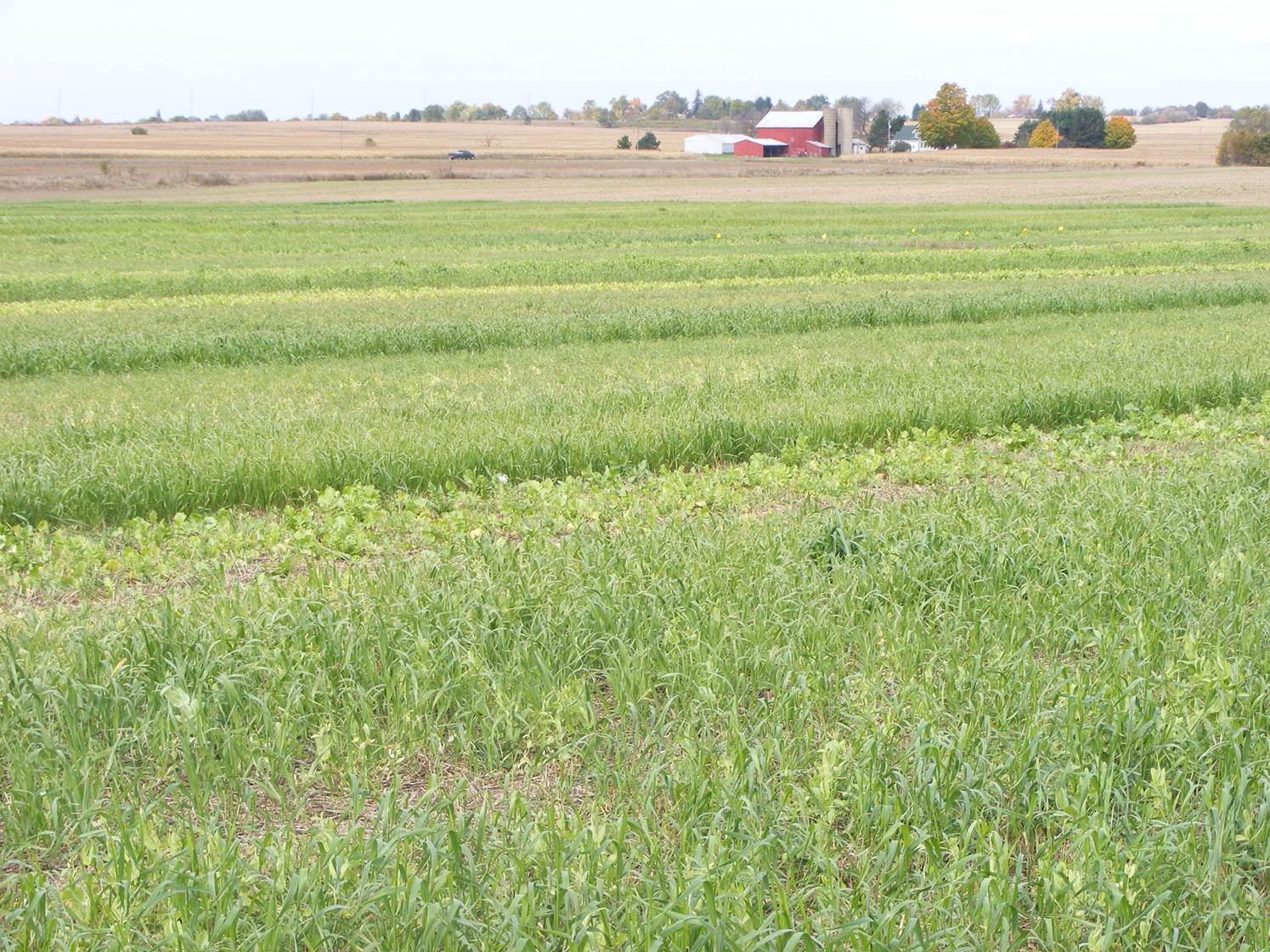
Photo Credit: plantcovercrops.com
A report by the Fairfax county soil and water conservation district reported another benefit of no-till farming, increased fertility.
When no-till farming is utilized in coordination with the use of cover crops and green manures during the non-growing season soil is protected from erosion and nutrient-sapping weeds. The natural nutrients in the soil are conserved increasing the fertility of the soil.
Farmers across the nation are receiving awards for their efforts in conservation reguarding no-till farming.
A personal connection comes from the Harper Valley Farms, a family farm that I have visited on numerous occasions. In 2007 Albert Armand won the Conservation Farmer of the Year Award by the Indiana Farm bureau. Armand has since taught workshops on the benefits of No-Till farming. In March he will teach a workshop at the Purdue Small Farm Conference. Armand keeps his field fertile by using no-till farming with cover-crops and green manure which he obtains from the livestock on the farm. Armand says that by utilizing the no-till method of farming, labor costs of producing crops is reduced and helps increase the water holding capacity of the soil, allowing the crops to better survive Indiana's harsh summers.
What is your opinion on no-till farming? Leave a comment below saying if you like the no-till method of farming or not and why. Got a topic that you want covered? Leave a comment below and I will take your suggestions for future posts.